


Phase 1 - What's YOUR Zone

The "Transforming a Small Lawn into a Lush and Inviting Pollinator Garden: A Step-by-Step Guide" Series
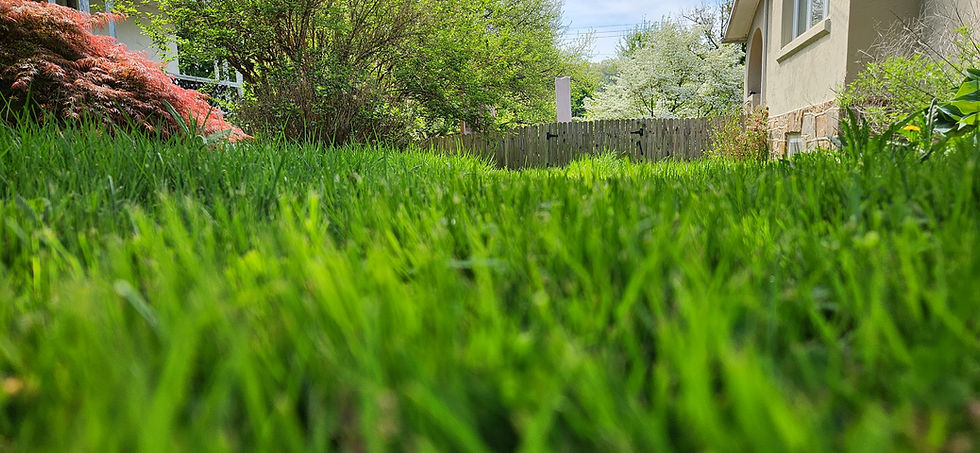
So, where do you begin? I recommend going right to the codes department first. Your municipality may have certain rules in place that would require you to keep a maintained and manicured lawn (believe it or not). Even if you do not belong to an HOA, you still often-times are not completely at-will when it comes to your own property.
Check with your local municipal codes department - They may consider the wild-n-free growth to be weeds
In order to have a plan approved though, you need to have one! Think of this as an opportunity to decide to what degree you are committed to this project. Ask yourself a few questions. Now is also the perfect time to do some research to find reference material to promote your project to them. Open the drop down menu below for more inspiration on the types of questions you should be asking and where to look for visual aids.
Next Up in Phase I (cont.) - What's YOUR Zone
(Zone 7a Southeastern PA specific recommendations)
The Proposal
Questions
Most importantly: Why does the municipality NEED your pollinator garden or "what's
in it for them"
Is there any direct impact that could cost or cause public works any issue
or would this in-fact decrease costs, stormwater runoff, and not be an eye-sore
How would something like this increase your property's value to the locals (pollinators
and not)
Why am I doing this?
Am I a life-long learner type or a set it and forget-it or a never finishes anything?
Are there programs/grants/certificates that promote this type of gardening?
Am I monetizing this project, and if so who is my audience and why do they want to
buy in to my project?
Would I like to share my gardening experiences with any organizations/groups or
touring garden enthusiasts?
What are the benefits?
Who and what benefits?
Am I able to maintain this area and keep it confined to my property?
Do my neighbors have life-threatening allergies and is this a shared access space?
Am I planning on moving soon and will this make it harder to sell the property?
Do I have the correct growing conditions to support native wildlife?
Am I prepared to take the slow and meandering route to the end result - no quick fixes
- no pesticides - no weed killers - debris is actually necessary for
overwintering buggies - get the picture?
If it doesn't work out - what's my exit strategy?
Visual Aids
Check your local native gardening groups for inspiration, the good, bad, and ugly.
Cooperative Extensions will often have guides with pictures of wildlife and plants that
support them that are appropriate for your climate.
If you are a homeowner - speak to a local expert on the subject.
Businesses wanting to do something green and beneficial for their community need
speak to local landscape or architecture companies due to the complexity of
commercial property land use, stormwater management requirements, etc.


Comments